The Shifting Sands and Hidden Histories of Ingoldmells, Lincolnshire
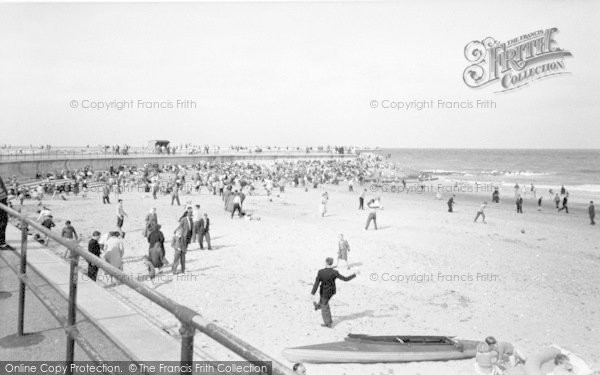
Ingoldmells, a name synonymous with a vast, windswept beach and a rather unique, corrugated iron bathing machine, holds a history far richer and more complex than its seaside image suggests. Located on the Lincolnshire coastline, just south of Mablethorpe, this area has been shaped by the relentless forces of nature, Roman occupation, medieval monastic life, and, more recently, the demands of tourism. It's a place where the echoes of different eras mingle, offering a fascinating, if sometimes elusive, glimpse into Britain's past.
Early Beginnings: Roman Influence and the Rise of a Settlement
The story of Ingoldmells begins long before the Victorian fascination with bathing machines. Archaeological evidence suggests that the area was occupied during the Roman period, though the precise nature of Roman activity is still debated. The Roman name for the area, Cambios, is frequently cited, and this is believed to relate to a small Roman settlement or oppidum that existed on the ridge overlooking the beach. This settlement, potentially linked to the nearby Roman road network, provided a strategic point for controlling coastal trade and defence.
Excavations have unearthed pottery, tiles, and evidence of a small, defensive structure. Crucially, the location of Cambios -- and the subsequent settlement of Ingoldmells -- was situated on a natural harbourage created by the shifting sands of the Wash. This was a vital geographical advantage, facilitating access to the inland waterways and allowing for the transport of goods. The Romans were adept at exploiting coastal resources, and Ingoldmells would have been a component within that wider system. The Roman influence likely waned as the empire declined, but the basic infrastructure -- the road and the strategic location -- remained influential for centuries to come.
The Medieval Monastic Connection: The Priory of St. Mary
The next significant chapter in Ingoldmells' history is inextricably linked to the Benedictine Priory of St. Mary, which emerged in the 12th century. The precise origins of the priory are somewhat hazy, but records suggest it was founded around 1188 by Walter de Grey, a powerful figure in the region. The priory's purpose was primarily agricultural; it held vast stretches of land within the surrounding area, cultivating crops and raising livestock.
The location was strategically chosen -- the land rising above the beach offered excellent views of the coastline and access to the tidal waters, important for fishing and transport. The priory's influence extended beyond just agriculture. It was involved in trade, particularly the export of grain, and served as a significant landowner. The monks were responsible for the maintenance of a substantial burghal (a traditional system of grain storage and transport) located close to the beach. This burghal, a large, enclosed structure, was vital for protecting and storing the priory's wealth, showcasing its power and economic importance.
The priory's wealth attracted occasional conflict. During the reign of King John, the priory was raided by the rebellious Earl of Lincoln, who sought to divert resources away from the crown. This illustrates the strategic importance of the area and the degree of wealth concentrated here.
Dissolution and Decline: The Priory's End
The dissolution of the monasteries under Henry VIII in the 16th century brought a catastrophic end to the Priory of St. Mary. In 1539, Henry Fitzalan-Howard, Earl of Oxford, was appointed as the receiver for the priory's assets. He promptly seized control, dismantling the buildings and selling off the land and possessions. This event marked a turning point in Ingoldmells' history, effectively removing the primary landowner and driving a wedge between the coastal community and the religious establishment. The land was dispersed, and the strategic advantage provided by the priory diminished.
The Rise of a Seaside Resort: Victorian Ingoldmells
The 19th century witnessed a dramatic transformation of Ingoldmells. The arrival of the North Lindsey Railway in 1848, connecting the area to larger towns and cities, proved to be a catalyst. Suddenly, access to the coast was considerably easier, and the beach, with its extensive sandbanks, became increasingly popular with day-trippers and tourists.
Initially, Ingoldmells was a relatively quiet seaside spot, though it boasted a small pier which quickly fell into disrepair. However, the most remarkable development was the introduction of the "Ingoldmells Bathing Machine" in 1879. Designed by William "Percy" Baker, this colossal corrugated iron structure, capable of carrying up to 20 people at a time, was a marvel of Victorian engineering. It became the defining image of Ingoldmells and a huge tourist attraction, essentially creating the modern seaside resort. The bathing machine's operation was a spectacle in itself, with passengers being hoisted up to the waves for a bracing dip -- though the experience was notoriously uncomfortable!
20th and 21st Century Developments
The 20th century saw further developments, including the construction of the Ingoldmells Pleasure Park (originally opened in 1934) and the expansion of the resort's amenities. The rising popularity of the beach continued, and the bathing machine remained in service until 1991, after falling into a state of disrepair and being deemed unsafe. The bathing machine itself is now a treasured relic, housed in the Ingoldmells Heritage Centre, a testament to the area's unique past.
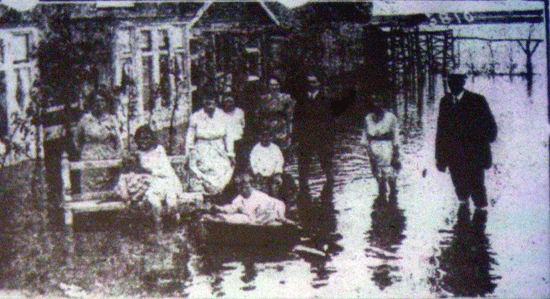 Ingoldmells Flooding - Source: Skegness Standard 1st November 1922
Ongoing Challenges and the Future
Ingoldmells today faces ongoing challenges, particularly regarding coastal erosion and the impact of rising sea levels. The beach itself is constantly being reshaped by the forces of the Wash, and the future of the resort is inextricably linked to managing this ongoing process. The Ingoldmells Heritage Centre plays a crucial role in educating visitors about the area's complex history and the importance of preserving its unique character.
The story of Ingoldmells is one of adaptation, change, and unexpected innovation. From its Roman beginnings to the rise of the bathing machine, the area has reflected the evolving needs and desires of its inhabitants. While the beach itself remains constant, the story of Ingoldmells continues to unfold, shaped by the tides, the people who visit, and the efforts to protect this remarkable piece of Lincolnshire's coastline.